The Core Belief That Holds Children Back from Becoming Entrepreneurs
In 2016, I walked into a room where twelve children were sitting. Ages 10 to 15. First day of a two-day entrepreneurship workshop. I'd spent five years running trainings for adults, and I knew something about them that they didn't know about themselves.
I had a list.
Fifteen of the most common beliefs that stop people from making money. I'd been collecting it for years — from every training, every group. "I don't have startup capital." "All niches are taken." "I don't know how to sell." "I need to get a degree first." "I don't have the right connections." "The timing is off — there's a crisis."
Fifteen phrases. I'd heard them so often I could predict who would say which one and in what order.
That day I decided to test something.
"Guys — tell me: why aren't your parents millionaires? How do they explain it to themselves?"
I wanted to understand what beliefs I'd be working with. The kids came from different families — I expected different answers. They started talking. I listened.
One by one they named items from my list. Not similar ones — the exact same ones, word for word. "Dad doesn't have money to start." "Mom says all the niches are taken." "Dad says you can't get anywhere without connections." "In our family everyone has a regular job."
By the end they had named all fifteen.
All of them.
These children had not had a single personal failure in business. Not one attempt to sell something and lose money. Not one failed launch. They hadn't tried anything yet. But they already knew, with certainty — why it wouldn't work.
How beliefs get passed down
Adults transfer their limitations so quickly and so naturally that they don't notice. Not at a parent-teacher meeting. Not in a conversation explicitly about money. Just — over dinner. In the car. In how a father talks about his boss. In how a mother reacts when someone they know starts their own business.
The child listens. Remembers. Builds it into their worldview.
And at age 10 they already know: "that's not for people like us."
These kids hadn't lived those beliefs through pain, failures, or lost money. They'd simply copied them. And what's been copied without experience — can be rewritten.
Over two days I built an entirely different picture of reality with them. Not through lectures about how "entrepreneurship is great." Through practice. Through first small sales right there in the room. Through the moment when a child holds in their hands money they earned themselves.
After the two-day intensive, they moved into a two-month program. They started their first real projects.
Three businesses invented by kids
One boy — about twelve — found a niche simpler than anything I'd seen before. He would go to the market and buy seed packets for a few rubles each. At home, in pots on the windowsill, he'd grow young sprouts — just breaking through the soil. Photographed them, posted them in a VKontakte group, and sold them. No office. No employees. A windowsill, some soil, and a phone.
The second boy paid attention to what was happening in his class. What people were wearing, what they were talking about, what was considered cool right now. He found a supplier who prints phone cases. Ordered a batch with trending designs. Sold them at school and online.
The third found a YouTube tutorial on making holographic pyramids from transparent film. They actually work — place the pyramid on your phone screen and a 3D image appears above it. He started making them at home and selling them through friends and his social circle.
Simple ideas. Zero barriers to entry. No specialized knowledge or adult experience required.
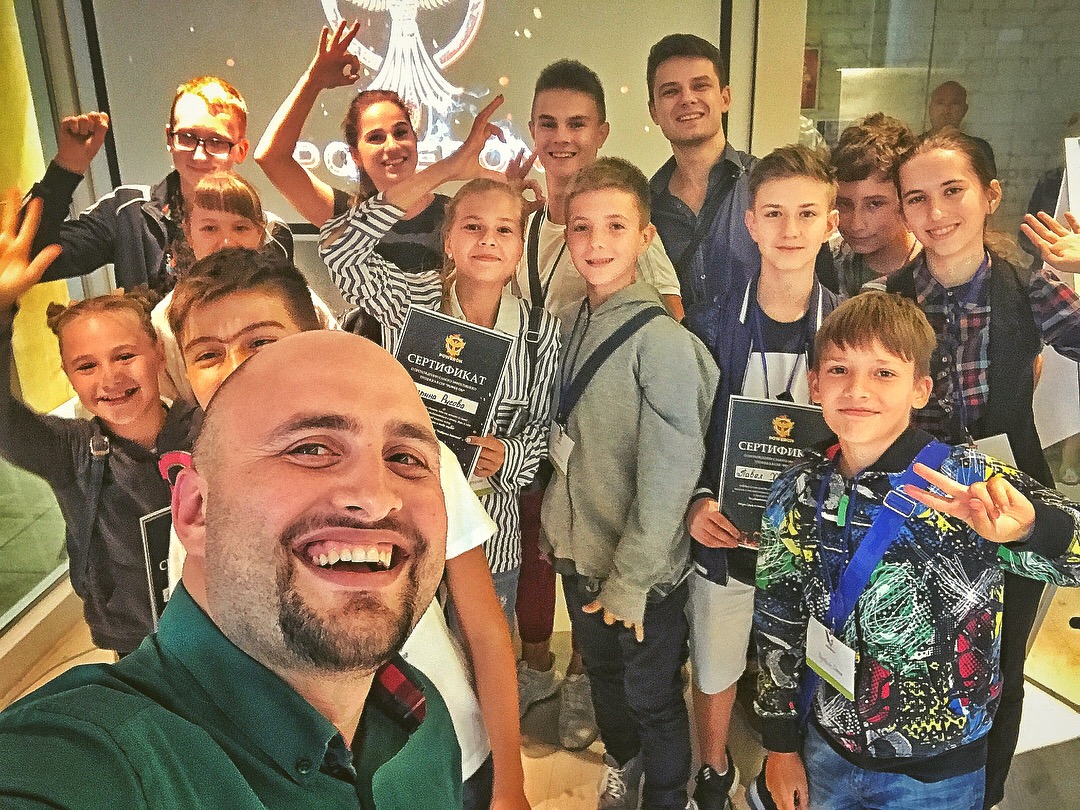
14 out of 16 children earned ₽30,000 each. At ages 10–15, in two weeks.
I watched this and thought: this is what it looks like to remove the limitations and just hand someone a tool. These kids did what many adults spend years "getting ready to do."
Then they went home
After each homework session we'd sit together — go through what worked, what didn't, how much they'd earned. And gradually I started hearing something different. Not from the children. From what the children were relaying back.
"Dad said it's not serious." "Mom says you can't make real money like that." "My parents said I should just focus on school — this is all just games."
Nobody banned it. Nobody got angry. They just pulled things back to normal. One phrase, said casually, over dinner.
And within a week or two — a child who two weeks ago had been holding honestly earned money now knew again, with certainty, that "this isn't for people like us."
That's when I understood: if I don't work on the adults — there's no point working with the children.
Environment is stronger than any training
The parents aren't bad people. They're transmitting what they themselves believe. Sincerely. With care. They want to protect their child from disappointment, from risk, from the "wrong path."
But cultural code isn't transferred through restrictions. It's transferred through atmosphere. Through how money gets talked about at home. Through how the family reacts to someone else's success. Through how attempts and failures are treated.
And no two-day training will outweigh thousands of hours of that background signal.
Any learning, any breakthrough, any insight — none of it exists in a vacuum. It comes to you, and then you go back to your environment. To the people you live with, work with, spend time with. And that environment either amplifies what you received. Or quietly resets it.
The most important question — isn't "where do I find a good mentor." It's "what environment do I return to after his lesson."
Look at the people around you. Not at who you love — at what they transmit. What they think about money. How they react when you try to change something. What they say when something doesn't work out for you.
What beliefs are you passing on to the people around you right now — without even noticing?
Common questions
Why do children absorb their parents' financial beliefs so quickly?
Because beliefs are transferred not through direct money conversations, but through atmosphere — how parents talk about others' success, about their own jobs, about money over dinner. The child listens and builds it into their worldview long before they encounter financial reality themselves.
Can a child's limiting beliefs be changed?
Yes — but only if the environment changes too. A workshop or training gives a tool. But the environment the child returns to every day either amplifies that tool or quietly resets it. Without working on the surroundings, the effect is short-lived.
Why can children aged 10–15 earn money when many adults can't?
Children haven't yet lived their beliefs through pain and failure. They just copied them. And what's copied without experience can be rewritten faster. An adult with a 20-year belief of "this isn't for me" carries real memories behind it — that's much harder to work with.
What matters more — a good mentor or the right environment?
Environment. A mentor gives knowledge and direction. But your surroundings are a daily background signal that shapes what feels "normal." The most important question isn't "where do I find a good mentor" — it's "what environment do I return to after his lesson."

Freeman's Alliance — for those building freedom
Entrepreneurs who grow through their environment, not alone.
Learn more